Hi and welcome to Star History Weekly #29!
If you are new, it's Ayra here. Each week, we curate some open-source news and take you to explore an open-source project, the Starlets. Meanwhile, we share fascinating GitHub repos daily over at @StarHistoryHQ, so make sure to follow us if you haven't already.
In Issue #29, we explored most advanced AI verse projects in terms of digital twins, geographical visualization, and robotic simulation.

Recently, the concept of an "AI Verse" (AI-powered virtual spaces and ecosystems) is gaining momentum as developers create increasingly sophisticated tools for building intelligent virtual entities and environments.
Today, we'll explore three cutting-edge open-source projects that are pushing the boundaries of what's possible in this exciting space:
Second-Me | AI Digital Twin |
Arnis | Geographical Visualization |
RoboVerse | Robot Simulation Platform |
Second-Me
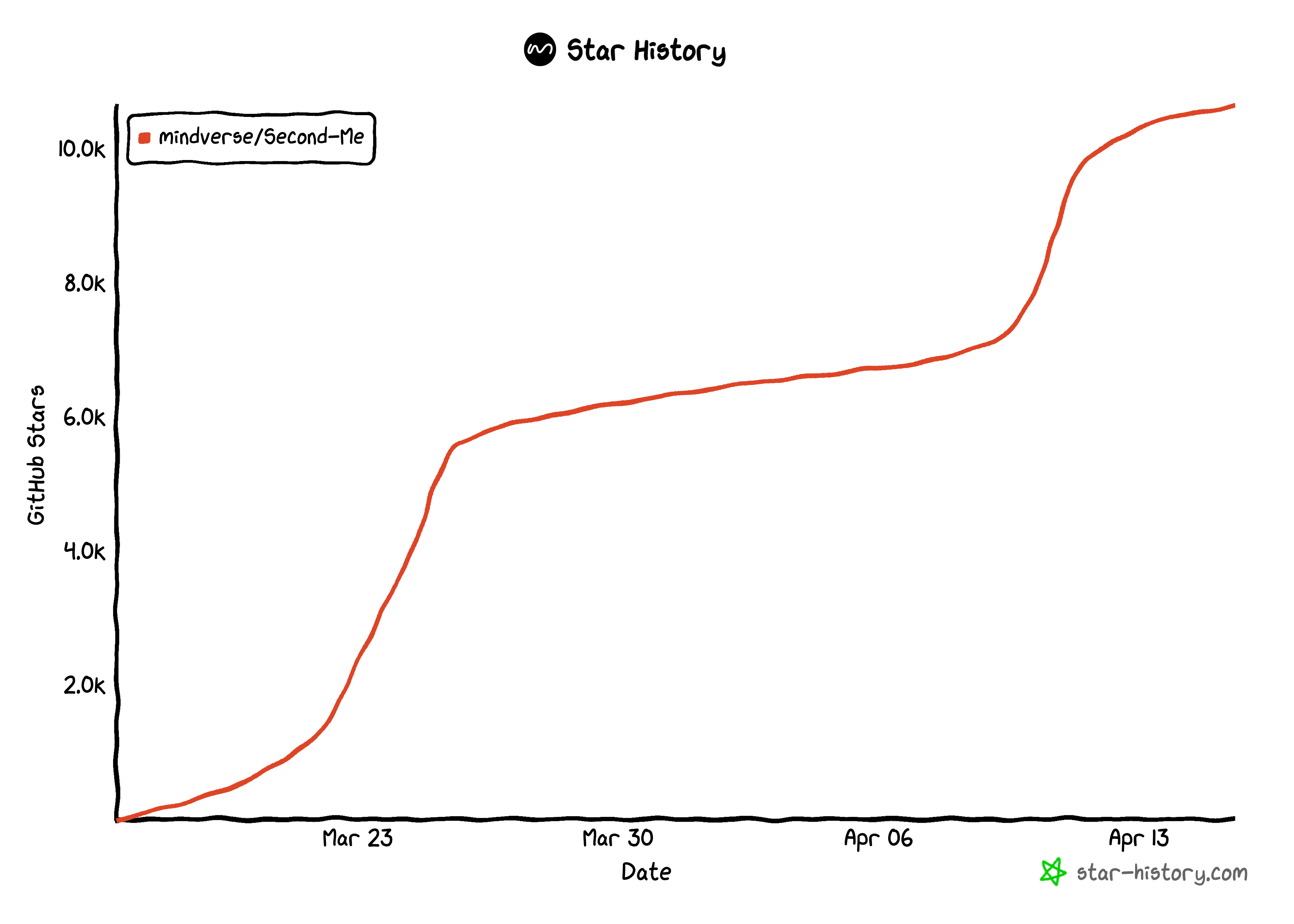
Second-Me is an innovative project that allows users to create personalized AI versions of themselves. This digital twin technology aims to bridge the gap between human identity and AI representation.
Key Features include:
Hierarchical Memory Modeling (HMM): Three-layer memory architecture that ranges from short-term interaction memory to long-term personalized cognitive memory, enabling pattern recognition and adaptation
Me-alignment Architecture: Personalized alignment system that transforms scattered personal data into deep understanding, outperforming standard retrieval methods by 37%
Complete Privacy Control: Runs locally with user-controlled data sharing and peer-to-peer communication in a decentralized network
Contextual Adaptation: Roleplay framework allowing your AI to present different versions of itself across various situations while maintaining your authentic core identity
Autonomous Representation: Your Second-Me can navigate digital environments, make decisions aligned with your values, and connect with other Second-Mes while you maintain control
Second-Me represents a shift from centralized AI systems to a network where each AI authentically embodies an individual's values and interests, illustrating a future where AI amplifies human uniqueness and agency rather than diminishing our distinctive qualities and autonomy.
Arnis
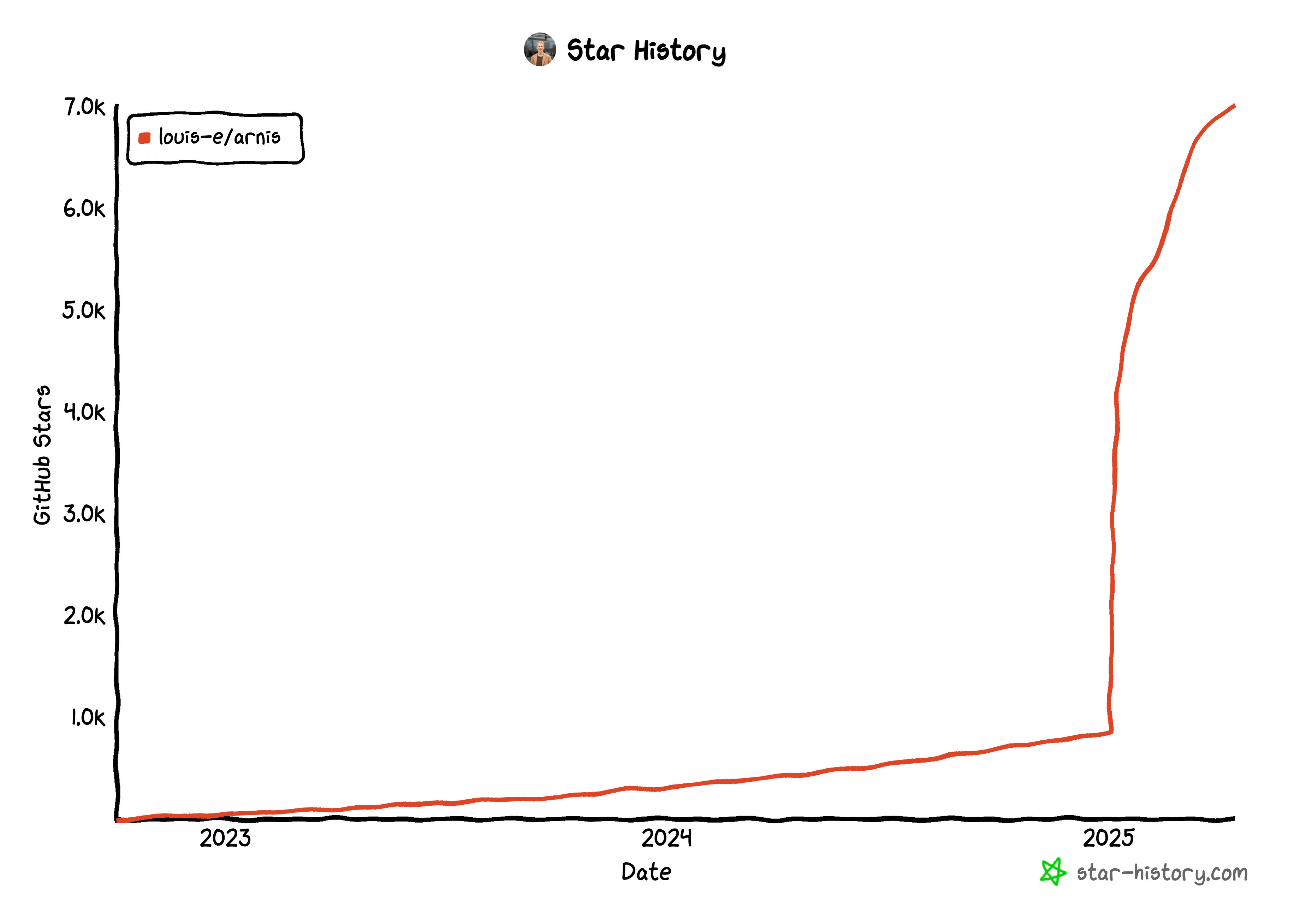
Arnis creates complex and accurate Minecraft Java Edition worlds that reflect real-world geography and architecture using OpenStreetMap.
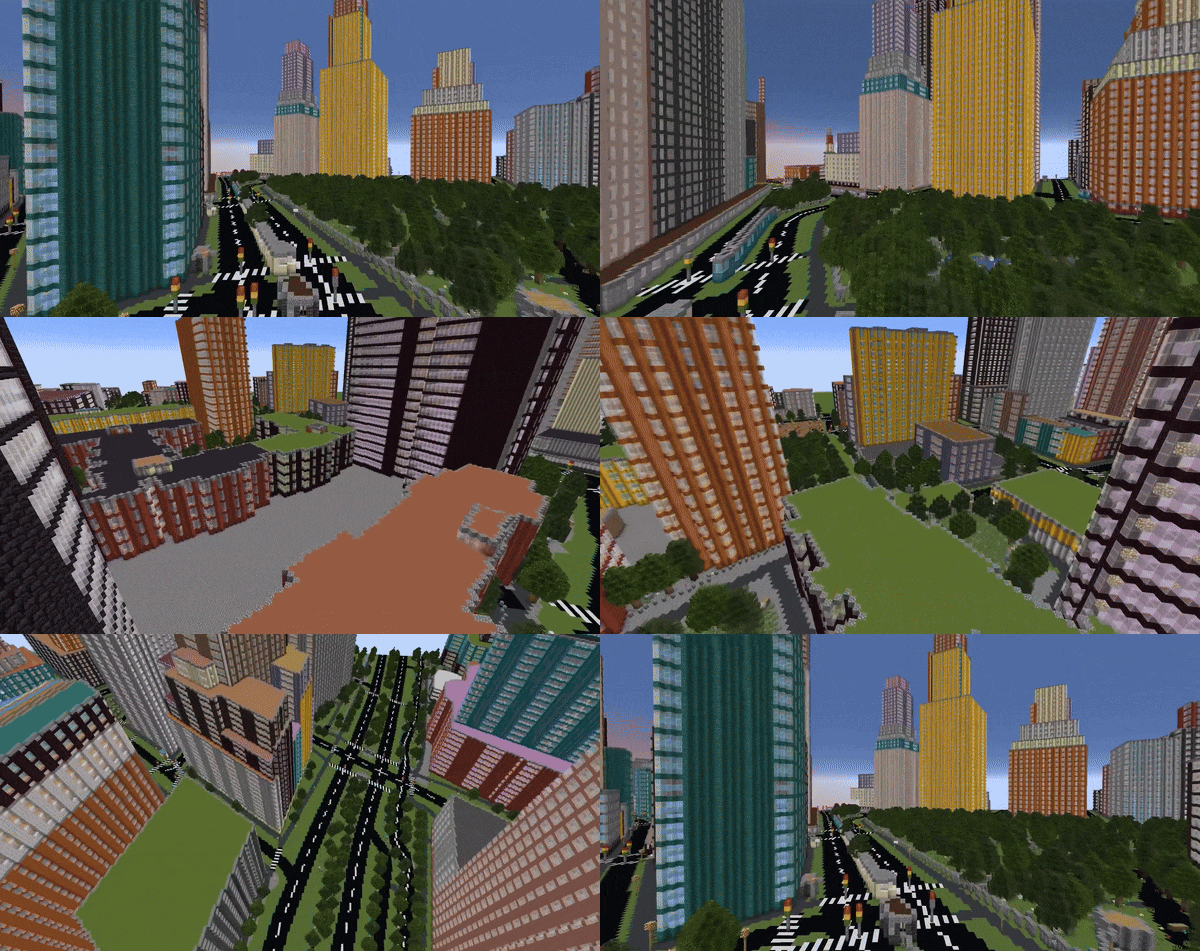
Users generate accurate geographical representations by providing coordinates via the command line or GUI. Then Arnis fetches OpenStreetMap data, processes elements (buildings, roads, terrain), and constructs them in Minecraft with proper scaling and positioning.
The tool supports various customization options including elevation data integration, scale adjustment, and themed generation modes. Its lightweight design, cross-platform compatibility, and open-source nature make it an excellent foundation for AI-powered applications, educational projects, and geographical visualizations without requiring complex infrastructure setup.
RoboVerse
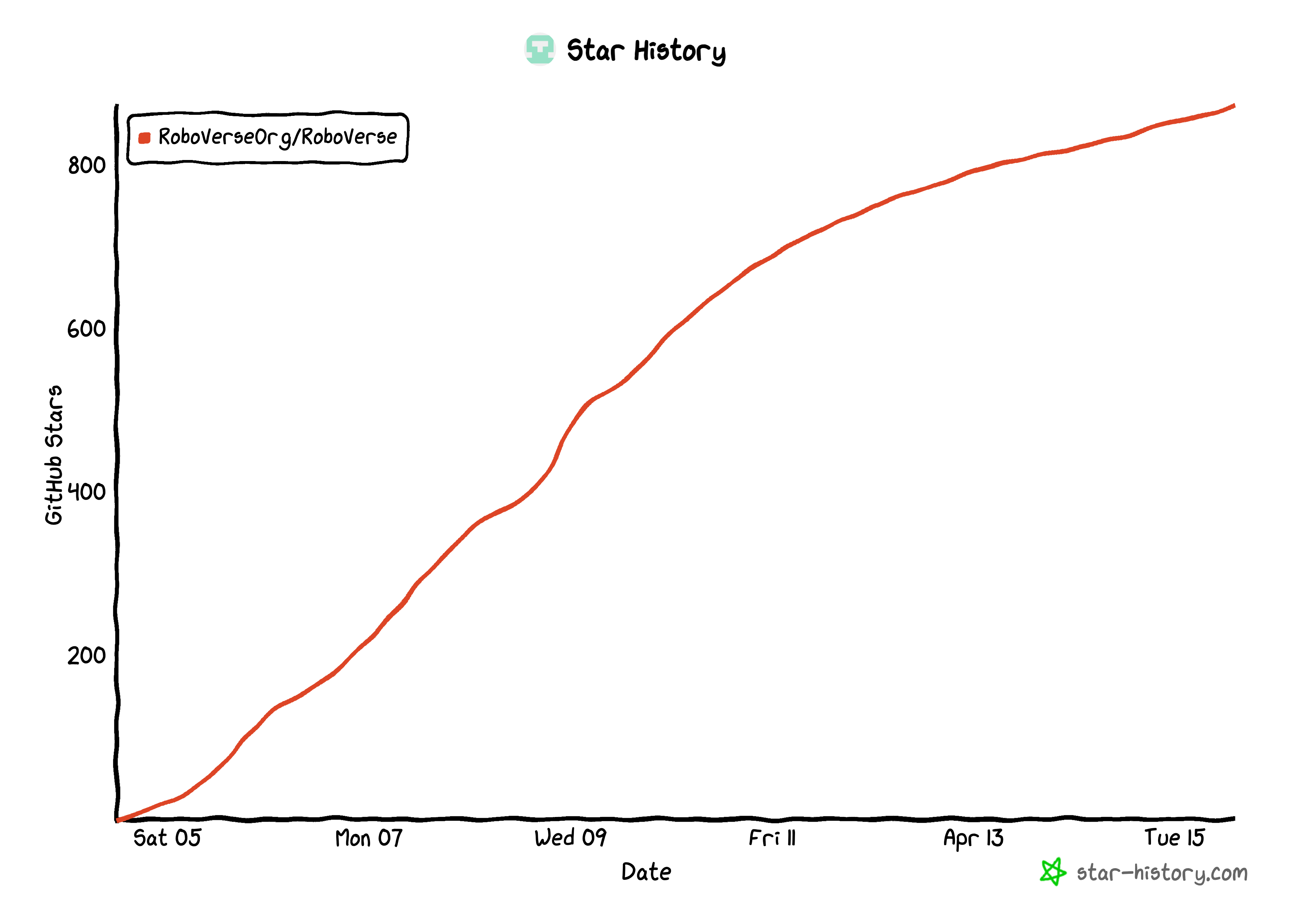
RoboVerse creates a virtual environment where AI-powered robots can learn, interact, and evolve. It helps researchers and developers create, test, and refine AI-powered robotics applications while addressing the traditional challenges of data collection and standardized evaluation in robotics research.

At its core is MetaSim, an infrastructure that creates a universal interface across diverse simulation environments, allowing seamless transitions between different simulators and robotic embodiments.
With this advanced architecture, RoboVerse distinguishes itself through:
Versatile Simulation Environment: Supports multiple simulators and robot types with standardized interfaces for consistent development
High-Quality Synthetic Dataset: Features photorealistic rendering and accurate physics, created through diverse approaches including public dataset migration and policy rollouts
Standardized Benchmarks: Unified evaluation protocols for imitation learning and reinforcement learning that enable consistent assessment across different generalization levels
Improved Real-World Transfer: Enhances sim-to-real transfer capabilities, making virtual training more applicable to physical robots
Lastly
These three projects represent different facets of the emerging AI Verse ecosystem. From personal digital twins to geographical visualizations and robotic simulations, we're seeing the building blocks of more immersive, intelligent digital environments taking shape. As these technologies mature, the boundaries between digital and physical reality will continue to blur, creating new opportunities for work, play, and connection.
